
Bacterial & Viral Infections
Access easy-to-understand information about Bacterial & Viral Infection, including prevention measures and evidence-based treatment options.
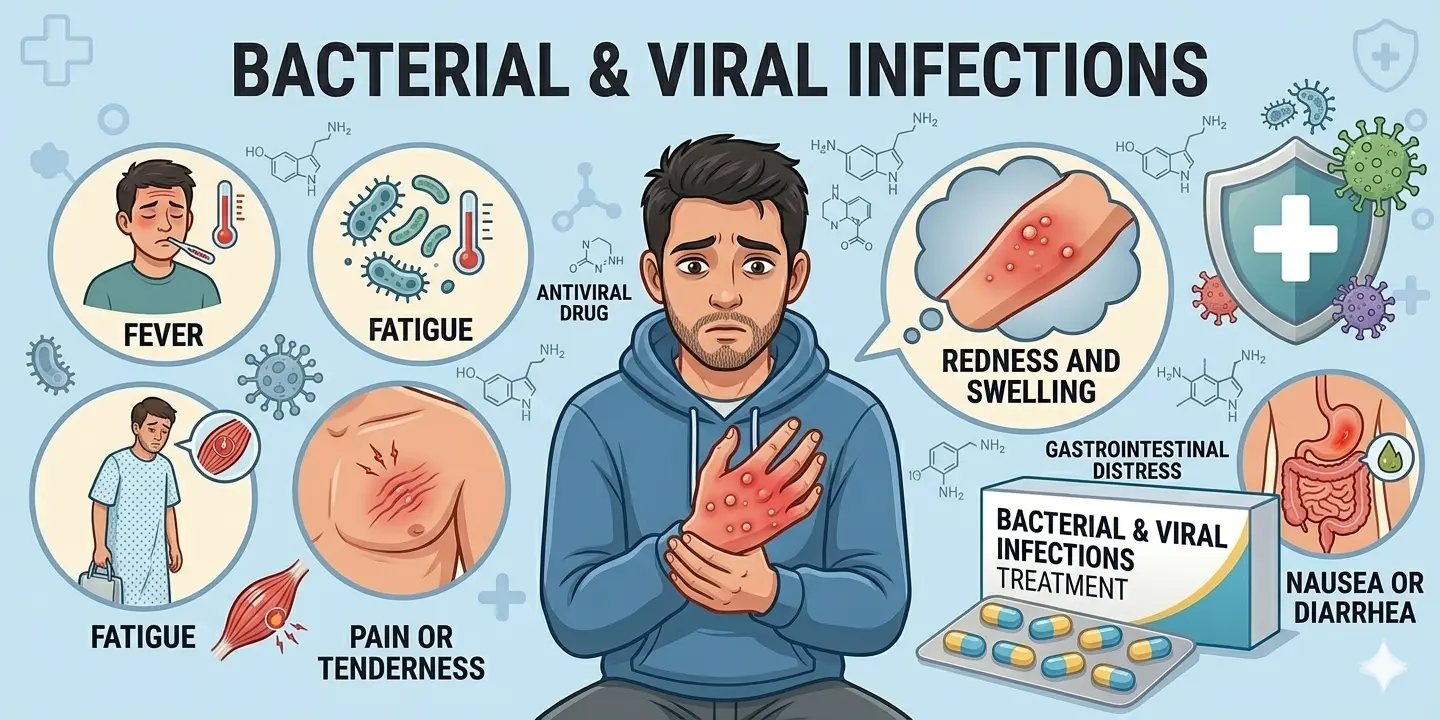
Bacterial and viral infections are becoming quite common at present among dangerous illnesses. People suffer with them as they occur when a microorganism enters to your body. After this, they multiply and even disrupts the normal function of the body.
No doubt, they share quite similar symptoms, but do they in their causes? It is important to determine with what ways do they spread and how to treat them on time. In turn, consulting with a doctor to determine the right treatment upon diagnosis helps to detect the complete/right treatment of bacterial and viral infections.
What Are Bacterial Infections?
Bacterial infections is known to be caused by single-celled microorganisms and that can live in various environments. But it has been reported that many bacteria are harmless and some can cause diseases.
Some common bacterial infections are-
- Tuberculosis
- Strep throat
- Pneumonia
- Skin infections
- Urinary tract infections
- Food poisoning
What Are Viral Infections?
Viral infections are the result of viruses and they are known as tiny infections or agents that require a host cell to survive and even reproduce. Since viruses invade healthy cells and use them to even create more viruses.
Some common viral infections are-
● Hepatitis
● COVID-19
● Chickenpox
● Measles
● Common cold
● flu
Major Differences Between Bacterial and Viral Infections
| Features | Bacterial infections | Viral infections |
| Causes | Being caused by bacteria | Virus are the major source |
| Size | Large microorganism | Much smaller infection agents. |
| Reproduction | Tend to reproduce independently | It requires host cell to multiply |
| Treatment option c | Can be treated with antibiotics | Can be managed with the help of antiviral medicine |
| Prevention | Hygiene, vaccines, sanitation | Hygiene, vaccines, avoiding exposure |
Causes of bacterial and viral infections
There can be the risk of infections due to several factors and those are-
- When there is an exposure to the infected individuals, infections surround.
- Following poor hygiene practice.
- Undertaking contaminated food and water.
- People suffering with weakened immune system
- Lack of vaccination
- Following poor sanitation
- Traveling to high-risk areas
- Living in crowded environments
- Insect or animals’ bites
Symptoms of Bacterial & Viral Infections
- Cough
- Fatigue
- Fever
- Headache
- muscle ache
- skin rashes
- Diarrhea.
Symptoms which are most common among bacterial infections
- Localized pain and swelling
- Persistent high fever
- Thick yellow or green discharge.
- Common symptoms in Viral Infections are-
- runny nose
- body aches
- fatigue.
How infections spread in the body?
Bacterial and viral infections can spread through respiratory droplets either from coughing and sneezing.
● Direct physical contact
● Contaminated food and water
● Insects’ bites
● At the time of touching contaminated surface
● Animal to human transmission
Some of the risk factors
There are certain factors that can increase the susceptibility to infections:
● Young or old age
● Chronic medical conditions
● Lack of sleep
● Smoking
● Incomplete vaccination status
● Poor nutrition
● Weakened immune system
Impact on health of viruses
➤ Physical impact
Bacterial and virus infections can even range from mild illnesses to serious conditions and that affect your-
● Lungs
● Heart
● Brain
● Digestive system
● And even to other organs
Severe infections when not treated can lead to various complications.
➤ Daily impact on life
Different symptoms such as-
fever, fatigue, pain, and weakness all of these can leads to disturbance in school, work, exercise and also interfere with daily responsibility. This can reduce the overall productivity and quality of life.
➤ Public health impact
Some of the infections can even spread fast through communities, and thereby causing an outbreak thereby increasing the burden on healthcare system.
Diagnosis process
➤ Physical examination
Here healthcare expert checks for signs and symptoms for infections like fewer, swelling, rashes and also breathing difficulties.
➤ Medical history review
Collection of information-like symptoms, recent illnesses, travel and exposure to infected people can help to identify the possible cause.
➤ Urine test
There can be analysis of the urine to identify the infection affecting the urinary tract and other related conditions.
➤ Blood test
Blood samples can detect the signs of infection and help to determine whether the infection is being caused by virus or bacteria.
➤ Imaging studies
Techniques like X-rays, CT scans, or ultrasounds even help to determine the infections in the lungs.
➤ Laboratory Cultures
Samples of blood urine and even other body fluids are grown in a laboratory to identify the infectious organism.
➤ Molecular Tests (PCR)
PCR testing can help to identify the genetic material of bacteria and viruses thereby allowing the accurate diagnosis process.
Different treatment methods for bacterial and virus infection
➤ Treatment for bacterial infections
Bacterial infections are quite common than other infections, but they can be treated with antibiotics. people consuming the desired drugs can help to kill/stop the growth of harmful bacterial infections. But the type of antibiotics is depedant upon the basis of the infection and its severity.
➤ Treatment for viral infections
The viral infections are reported to be managed by care, rest, proper hydration, and intake of desired medicines to relieve symptoms like pain or fever. There are some antiviral drugs available to reduce the severity or even duration of certain viral illnesses.
➤ Rest and recovery
Getting enough sleep is very important, as it help body to focus on complete energy and fight back the infections and promotes faster healing. This is where an adequate sleep is required to reduce the exertion to support the recovery process.
➤ Undertaking proper hydration
It is advisable to consume more fluids and keep your body hydrated as it can tend to support the normal functioning of the body and prevent infection or illness. Alongside, it is important to follow proper diet, and this manner your body can get the sufficient nutrients to keep your immune system strong and tend to fight back against infections.
➤ Management of symptoms
There are over the counter medications available and can help to relieve the symptoms like headache, congestion, fever and even body aches. The treatment offers improve comfort while the body works to eliminate the infection.
➤ Treating severe infections
Some of the serious infection may require hospitalization and for close monitoring and even advanced treatments. This includes intravenous medications, oxygen therapy, or other supportive medical care.
Conclusion
At present time bacterial and viral infections are quite common, and that can affect people of different age group. Both share similar symptoms; however, their causes/treatment differs. They do require proper diagnosis, on-time treatment, with desired precautionary measures. Moreover, a good hygiene and vaccination can help to reduce the risk of infections.
Ready to order with confidence?
Choose your pack size, checkout in minutes, and track discreet delivery anywhere in Australia.
- Verified pharmacy
- Secure checkout
- AU-wide delivery
Speak with our team
Australian support for product questions and delivery, Mon–Fri, 9am–5pm AEST.
Contact support